The Duty of Aluminum Shop in Various Industries: Applications and Maintenance Insights
Aluminum shops are vital in several industries, giving long lasting and light-weight parts that significantly affect item performance. Their applications extend from automotive engine blocks to aerospace architectural parts. However, the performance of these foundries relies greatly on rigorous upkeep methods and the integration of sophisticated innovations. Comprehending these characteristics discloses a complicated interaction of development and practice, triggering additional expedition right into the future patterns forming this crucial industry.
Introduction of Aluminum Foundries and Their Processes
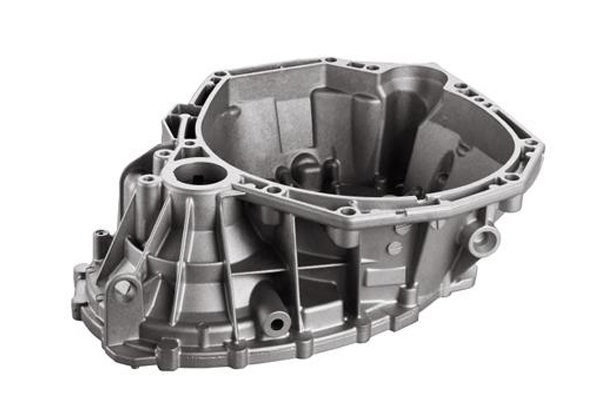
Aluminum factories play a vital role in the production field, concentrating on the spreading of aluminum parts. These centers use various processes to transform raw aluminum right into finished items, starting with melting scrap or ingots in high-temperature heating systems. Once thawed, the aluminum is put into molds, which can be made from steel, sand, or ceramic, relying on the preferred finish and application.
After cooling, the actors components undergo extra processes such as cutting, machining, and surface completing to meet aesthetic demands and details resistances. Casting Foundry. Quality assurance is critical; factories carry out extensive screening approaches to identify that the end products satisfy sector requirements
The versatility of light weight aluminum as a material enables for a variety of designs and components, making foundries important for numerous industries. Their experience in taking care of aluminum guarantees that suppliers obtain high-grade components vital for succeeding assembly and use.
Applications in the Automotive Sector
While the automotive market progressively looks for lightweight products to improve fuel performance and performance, aluminum shops have ended up being crucial suppliers of different components. These factories create important parts such as engine blocks, transmission housings, and wheels, which add to minimized car weight and enhanced handling. The convenience of aluminum permits for intricate geometries, making it appropriate for detailed styles in both architectural and visual applications.
Furthermore, light weight aluminum castings are favored for their exceptional deterioration resistance and recyclability, lining up with the market's sustainability goals. The usage of light weight aluminum in electric lorries is also on the surge, as it sustains efficient battery layouts and thermal administration systems. With constant advancements in casting innovations, aluminum foundries are outfitted to satisfy the ever-evolving demands of the auto market, guaranteeing that suppliers can provide high-performance automobiles that fulfill consumer expectations for effectiveness and sustainability.
Aerospace Market Utilization of Light Weight Aluminum Castings
The aerospace industry progressively depends on light weight aluminum castings for a selection of critical applications, driven by the need for high-strength and light-weight products. Aluminum castings play a critical role in making elements such as engine installs, braces, and architectural airframe components. The integral homes of aluminum, including excellent rust resistance and fatigue toughness, make it an ideal choice for aerospace applications, where efficiency and safety and security are vital.
In addition, aluminum spreadings promote elaborate layouts and geometries that can enhance wind resistant efficiency. The capability to produce intricate shapes while reducing weight is crucial in enhancing gas efficiency and total airplane efficiency. Makers utilize sophisticated casting strategies such as sand and pass away casting to achieve the called for precision and quality. Additionally, the recyclability of aluminum lines up with the industry's sustainability goals, additionally solidifying its relevance in aerospace. As technology advances, the utilization of aluminum castings is expected to increase, meeting the evolving demands of the aerospace market.
Building And Construction Field and Light Weight Aluminum Foundries
In the building field, aluminum shops play a considerable duty by offering materials that enhance structural integrity and decrease overall weight in structure tasks. Aluminum castings are preferred for their strength-to-weight proportion, making them perfect for numerous applications, including home windows, doors, and architectural elements. The lightweight nature of light weight aluminum not only assists in less complicated handling and transport yet additionally contributes to power effectiveness in structures.
Additionally, light weight aluminum's resistance to rust warranties long life and decreases upkeep expenses, which is important for facilities tasks. Shops produce custom-made components tailored to specific architectural designs, enabling innovative building services. Furthermore, developments in aluminum alloy technology have expanded the series of applications, enabling making use of light weight aluminum in high-stress settings. By sustaining lasting building techniques, light weight aluminum factories add to the total performance and durability of construction tasks, making them crucial partners in the market.
Durable Goods and House Applications
Light weight aluminum foundries considerably contribute to the customer goods field by creating a selection of house things that integrate performance with visual charm. From cookware to home decoration, light weight aluminum functions as a flexible product, guaranteeing items are both sturdy and light-weight. Popular things include cooking equipment, such as pots and pans, which take advantage of light weight aluminum's superb thermal conductivity, making cooking extra reliable.
Furthermore, light weight aluminum's rust resistance improves the durability of home items, reducing the requirement for constant substitutes. Attractive elements, such as aluminum photo frameworks and light fixtures, showcase the steel's capacity to be molded right into intricate styles while maintaining a modern-day visual.
Furthermore, the green nature of light weight aluminum, being recyclable, aligns with consumer choices for lasting items. Subsequently, light weight aluminum shops play an important role in satisfying the varied demands of households, supplying necessary products that improve daily living while dealing with ecological issues
Maintenance Finest Practices for Casting Equipment
Effective upkeep of casting devices is vital for peak efficiency and durability. Regular devices evaluations, correct lubrication and cleaning, and comprehensive driver training programs are essential parts of an effective upkeep strategy. Carrying out these ideal methods can considerably minimize downtime and enhance general manufacturing performance in aluminum foundries.
Routine Devices Assessments
Regular tools inspections play an indispensable role in maintaining the effectiveness and security of casting operations. These inspections involve a methodical evaluation of devices to determine wear, damages, or potential failings before they intensify right into pricey failures. By sticking to a normal examination routine, shops can determine that all casting machinery operates at peak efficiency, consequently decreasing downtime and optimizing performance. Assessments should include vital components such as molds, heaters, and cooling down systems, enabling the prompt substitute or repair service of parts. Furthermore, documents of examination findings is vital for tracking devices history and informing future maintenance decisions. Eventually, routine inspections contribute considerably to the durability of equipment and the total success of aluminum shop operations.

Lubrication and Cleaning
Correct lubrication and cleaning are necessary parts of upkeep methods for casting tools in shops. Normal lubrication decreases damage on machinery, ensuring that components run efficiently and efficiently. It is vital to make use of the appropriate lubes defined by manufacturers, as various equipment might need diverse compounds to work click for more info at peak performance.
Cleaning tools gets rid of pollutants and debris that can interfere with operations and lead to issues in spreadings. Set up cleaning routines ought to be developed to stop buildup and lengthen equipment life. In addition, operators need to adhere to safety protocols while taking care of cleaning representatives to preserve a secure workplace. By focusing on lubrication and cleansing, factories can enhance the reliability and performance of their casting tools, eventually adding to better production quality.
Operator Training Programs
While maintaining spreading equipment is crucial for ideal efficiency, considerable operator training programs play a considerable function in guaranteeing that personnel are fully equipped to deal with upkeep tasks successfully. These programs ought to concentrate on the certain functional aspects of light weight aluminum foundry devices, consisting of safety and security protocols, troubleshooting methods, and regular maintenance procedures. By providing hands-on training and extensive theoretical understanding, drivers can create a much deeper understanding of devices performance and prospective issues. Regular analyses and correspondence course can boost skill retention and adjust to technological innovations. Eventually, buying operator training not just improves overall manufacturing performance however also minimizes downtime, bring about improved security and prolonged tools lifespan in the light weight aluminum factory industry.
Future Patterns in Light Weight Aluminum Foundry Applications
The future of light weight aluminum factory applications is poised for transformation through sophisticated casting modern technologies that enhance effectiveness and accuracy. In addition, lasting production techniques are gaining grip, showing an expanding dedication to environmental duty within the sector. In addition, the assimilation of Sector 4.0 concepts is readied to change procedures, making it possible for smarter producing procedures and real-time information usage.
Advanced Casting Technologies
Technologies in advanced spreading technologies are poised to reinvent aluminum foundry applications, driving effectiveness and accuracy in the manufacturing procedure. Methods such as 3D printing and progressed die-casting are obtaining grip, allowing the production of intricate geometries that typical see this page methods battle to achieve. Furthermore, the integration of automation and AI in the spreading procedure improves quality assurance and lowers material waste. These innovations facilitate fast prototyping, allowing for quicker design versions and lowered time-to-market. Moreover, advancements in mold materials and cooling systems boost thermal management, guaranteeing consistent part quality. As markets require lighter, stronger parts, these innovative casting modern technologies are ending up being crucial in fields such as automobile, aerospace, and electronics, positioning light weight aluminum foundries at the leading edge of advancement.
Sustainable Production Practices
Advanced casting modern technologies not only enhance performance and accuracy yet additionally lead the means for lasting production techniques in light weight aluminum shops. These practices concentrate on decreasing waste, energy usage, and discharges throughout the manufacturing procedure. The adoption of recycled aluminum is significantly prioritized, lessening the demand for main steel removal and decreasing the ecological impact. Additionally, innovations in mold and mildew products and cooling techniques contribute to power savings and faster production cycles. Carrying out closed-loop water systems additionally supports sustainability by lowering water use and preventing air pollution. As foundries welcome these environmentally friendly approaches, they not only abide by policies yet additionally satisfy the expanding need for sustainable items throughout various markets, enhancing their commitment to ecological stewardship.
Sector 4.0 Integration
As light weight aluminum foundries progressively embrace Sector 4.0 integration, they are leveraging wise innovations to enhance production processes and improve operational efficiency. The fostering of IoT tools makes it possible for real-time surveillance of devices and production metrics, promoting predictive upkeep and minimizing downtime. Advanced data analytics and expert system permit boosted decision-making, resulting in extra precise casting and reduced waste. Robotics and automation simplify repetitive jobs, enhancing labor efficiency. Additionally, digital twins enable digital simulations of factory operations, assisting in process optimization and layout enhancements. This assimilation not only enhances productivity however likewise supports sustainability campaigns by lessening power usage and resource usage, placing light weight aluminum foundries to fulfill the progressing needs of different industries in an open market landscape.
Regularly Asked Questions
What Are the Environmental Impacts of Light Weight Aluminum Foundries?
Aluminum foundries add to ecological visit effects via greenhouse gas exhausts, power usage, and waste generation. Additionally, they might posture threats of air and water contamination, requiring reliable management methods to mitigate these damaging impacts.
How Do Light Weight Aluminum Foundries Ensure Item Top Quality?
Light weight aluminum foundries assure item top quality with rigorous quality assurance steps, including material evaluations, precise temperature level surveillance, and adherence to sector standards. Continual training of personnel and implementation of innovative technologies additionally boost the uniformity of their output.
What Safety Measures Remain In Area in Aluminum Foundries?
Light weight aluminum factories execute precaution consisting of protective equipment for employees, emergency situation reaction strategies, ventilation systems to lessen fumes, regular security training, and adherence to industry laws to assure a protected workplace and avoid mishaps.
Exactly How Do Foundries Handle Waste and Recycling?
Shops take care of waste and recycling by carrying out systems for collecting scrap light weight aluminum, reusing products, and sticking to ecological regulations. They prioritize minimizing waste with effective procedures and buying technology for effective reusing efforts.
What Qualifications Matter for Light Weight Aluminum Foundries?
Appropriate qualifications for light weight aluminum shops consist of ISO 9001 for high quality administration, ISO 14001 for environmental management, and AS9100 for aerospace criteria. These accreditations ensure conformity, boost quality assurance, and promote lasting methods within the factory operations.
Light weight aluminum factories play an essential function in the manufacturing market, specializing in the spreading of aluminum components. While the automotive industry increasingly looks for light-weight materials to improve fuel performance and performance, light weight aluminum shops have become necessary distributors of different elements. In addition, improvements in light weight aluminum alloy technology have actually increased the variety of applications, making it possible for the use of aluminum in high-stress atmospheres. The future of aluminum shop applications is positioned for improvement with advanced casting technologies that improve efficiency and precision. As light weight aluminum factories significantly welcome Market 4.0 integration, they are leveraging wise modern technologies to optimize production procedures and boost functional efficiency.